 RuledPaper
Free printable · PDF, PNG, SVG
Printable Accounting Ledger Paper
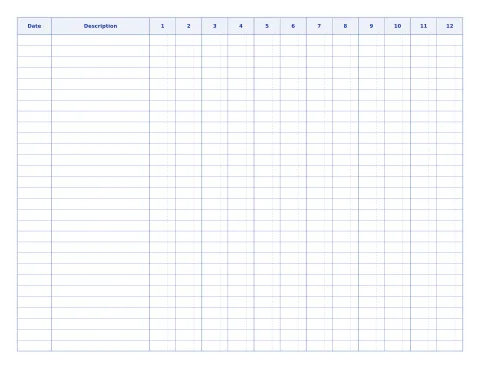
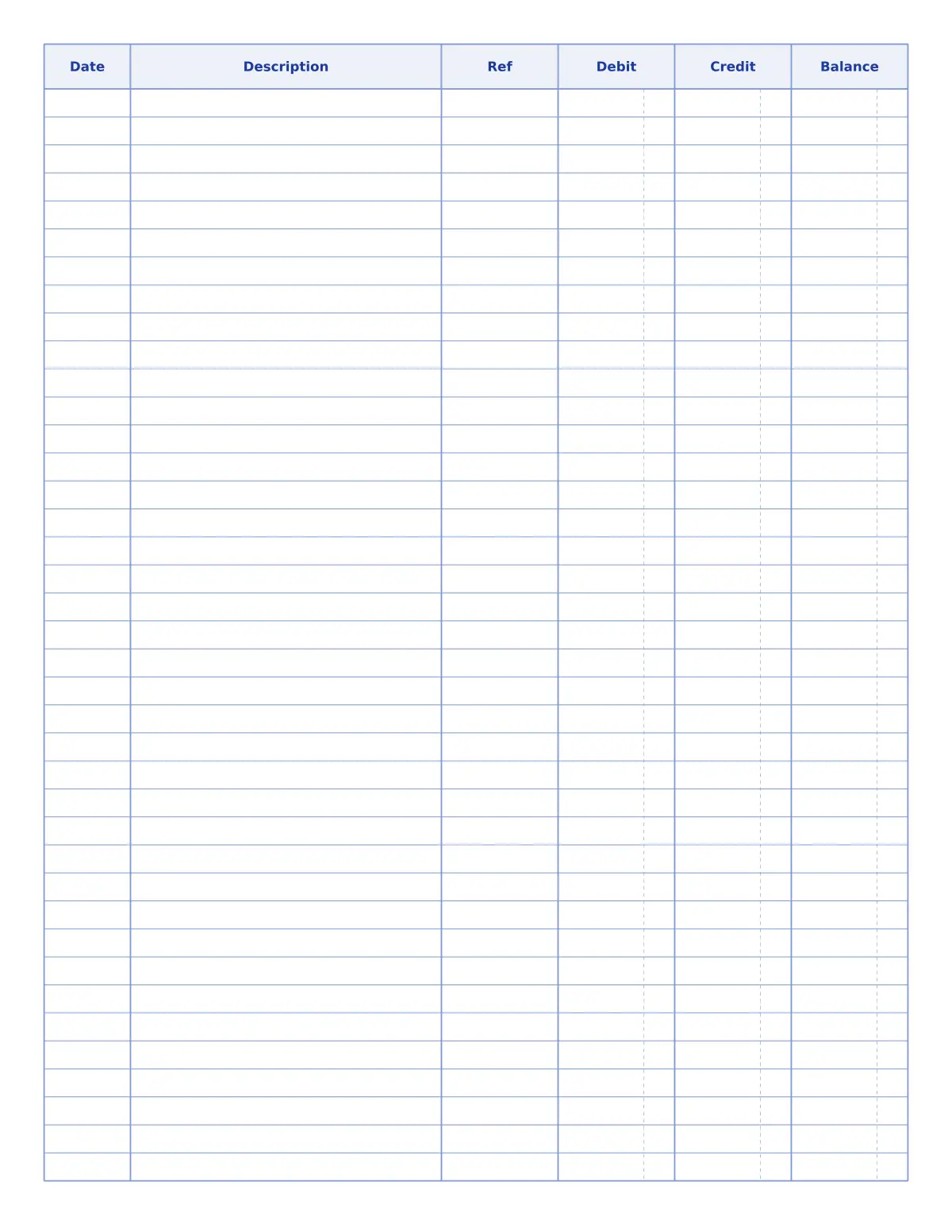
Accounting paper keeps numbers lined up. Each money column has a faint divider for the cents, so totals add up straight down the page, and the date and description columns stay narrow and wide where they need to be. Pick the journal layout with reference, debit, credit and balance columns for a classic account ledger, or a columnar pad with 4, 6, 8 or 12 numbered money columns for cash books, budgets, payroll and analysis sheets.

Preview of page 1. 215.9 mm × 279.4 mm. Print at 100% (“Actual size”) to keep the spacing exact.
Ready-made ledger paper presets
What people use it for
- Small business cash books, petty cash logs and expense records
- Accounting class exercises in journals and general ledger accounts
- Household budgets with a column per month or category
- Club and church treasurer records
- Inventory, mileage and time sheets that need neat number columns
Standard measurements
| Journal layout | Date, description, ref, debit, credit, balance |
|---|---|
| Columnar layouts | 4, 6, 8 or 12 numbered money columns |
| Money columns | Each with a dotted divider for the cents |
| Double-entry convention | Debits on the left, credits on the right |
Tips for ledger paper
- Choose the journal layout for one account at a time, or a columnar layout to spread amounts across categories.
- Use landscape for 8 or 12 columns so each column stays wide enough for large amounts.
- Write the dollars to the left of the dotted line and the cents to the right, so decimal points line up.
- Carry the balance forward at the bottom of each page and start the next page with it.
- Total each money column at the foot of the page and check that the totals agree before you carry them forward.
Printing tip: in the print dialog choose Actual size or 100%, not “Fit to page”, or the spacing shrinks slightly. How we keep sizes exact.
Questions
What is ledger paper?
It is ruled paper with narrow vertical money columns for keeping accounts by hand. A ledger records the transactions of each account, traditionally with debits and credits in separate columns.
What is the difference between a journal and a ledger?
A journal records transactions in date order as they happen. A ledger groups them by account so each account's balance can be followed.
Which column is debit and which is credit?
In double-entry bookkeeping, debits go in the left column and credits in the right.
Sources
More charts, music and practice
 Alphabet practice
 Month calendar
 Character practice grid
 Multiplication chart
 Staff paper
 Daily planner
 Weekly planner
 Year calendar
 To-do list
 Habit tracker
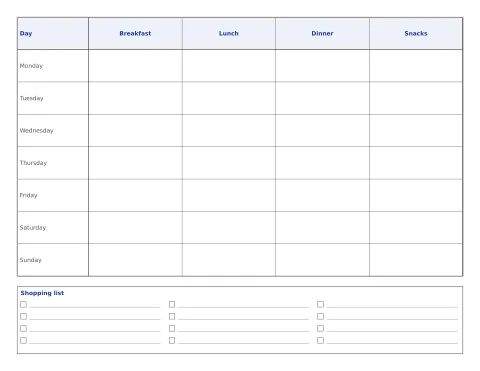 Meal planner
 Ten frames
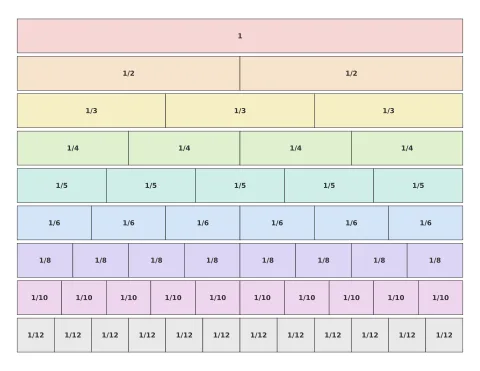 Fraction strips
 Guitar tab paper
 Chord diagrams
 Flash cards
 Printable ruler
 Printable protractor
 Piano keyboard template
 Drum staff paper