 RuledPaper
Free printable · PDF, PNG, SVG
Printable Blank Ten Frames
A ten frame is a simple rectangle split into two rows of five boxes. Children place counters in the boxes and can see at once how many there are and how many more make ten, which builds number sense without counting one by one. Teachers use ten frames for counting, addition facts, making ten and early place value. Print several blank frames per page for counters, stamps or drawn dots.
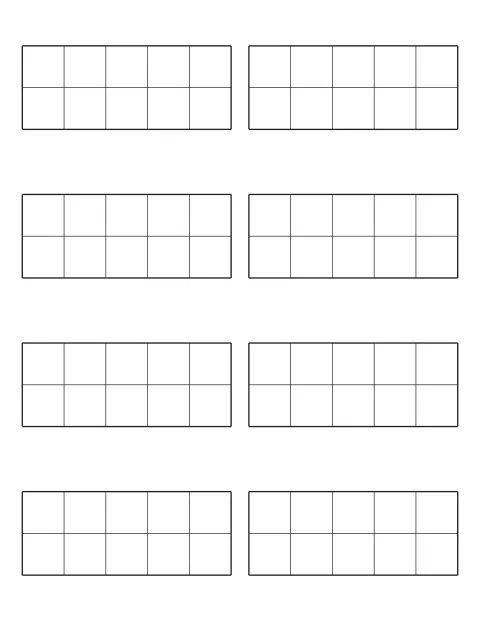
Preview of page 1. 215.9 mm × 279.4 mm. Print at 100% (“Actual size”) to keep the spacing exact.
What people use it for
- Counting and recognizing quantities up to ten
- Learning number bonds and pairs that make ten
- Addition and subtraction within 20 using two frames
- Daily math warm-ups with dot patterns
- Home learning with buttons, beans or coins as counters
Tips for ten frames
- Choose the number of frames per page: one large frame for small hands and real counters, several smaller ones for worksheets.
- Fill the top row from left to right before starting the bottom row, so children see five as a landmark.
- Show a number with counters and ask how many empty boxes are left; that is the partner that makes ten.
- Use two frames side by side for numbers from 11 to 20 to introduce one ten and some ones.
- Laminate a few copies or use plastic sleeves for reusable dry-erase practice.
Printing tip: in the print dialog choose Actual size or 100%, not “Fit to page”, or the spacing shrinks slightly. How we keep sizes exact.
Questions
What is a ten frame?
It is a 2 by 5 grid of ten boxes. Filling boxes with counters shows quantities in relation to five and ten.
Why fill the top row first?
Filling one row of five first lets children recognize numbers like 7 as five and two more, which is faster than counting every counter.
How do ten frames help with addition?
To add 8 and 5, children fill one frame with 8, move 2 counters to complete ten and see 3 left over, so the answer is 13.
What can I use as counters?
Anything small and flat: buttons, coins, dried beans, small blocks or stickers. Children can also draw dots or color the boxes.
More charts, music and practice
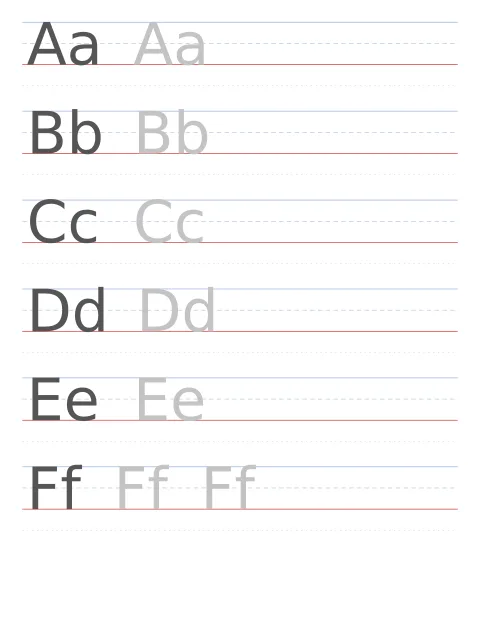 Alphabet practice
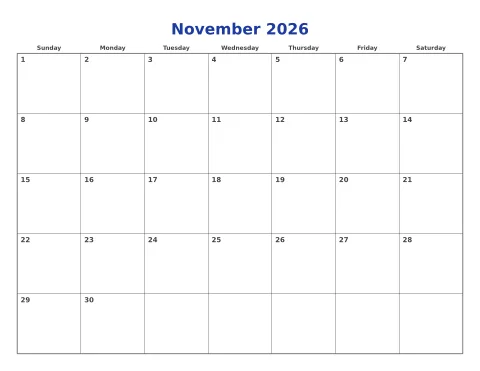 Month calendar
 Character practice grid
 Multiplication chart
 Staff paper
 Daily planner
 Weekly planner
 Year calendar
 To-do list
 Habit tracker
 Meal planner
 Fraction strips
 Guitar tab paper
 Chord diagrams
 Flash cards
 Ledger paper
 Printable ruler
 Printable protractor
 Piano keyboard template
 Drum staff paper