RuledPaper
Free printable · PDF, PNG, SVG
Cursive Handwriting Practice Paper
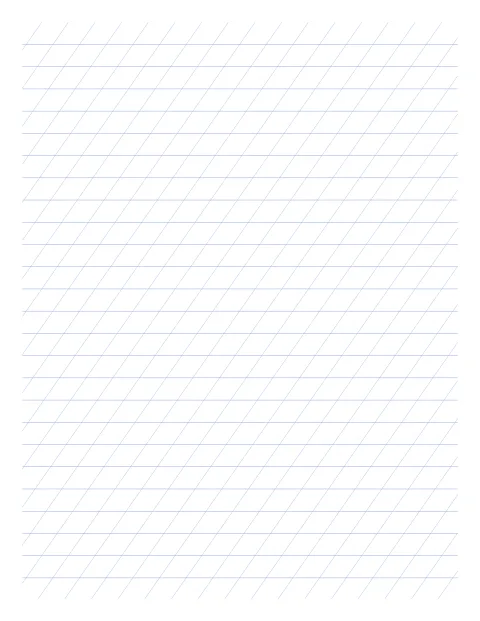
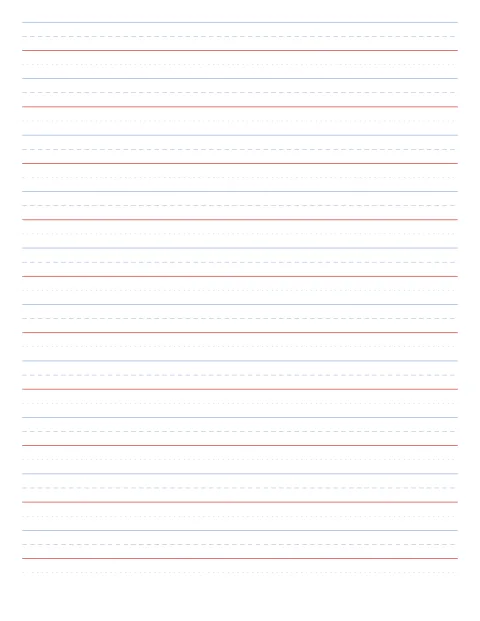
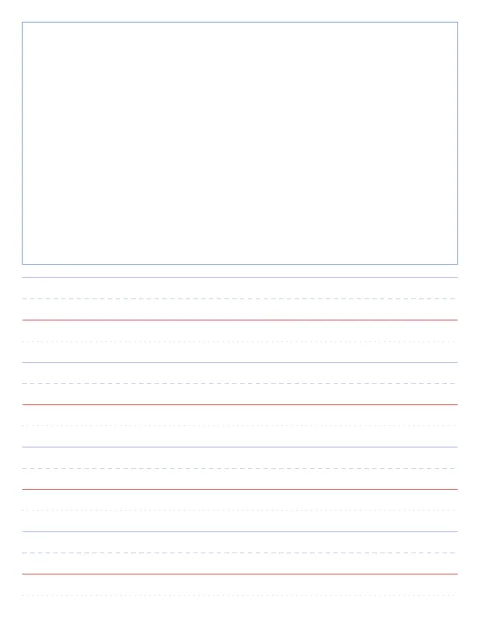
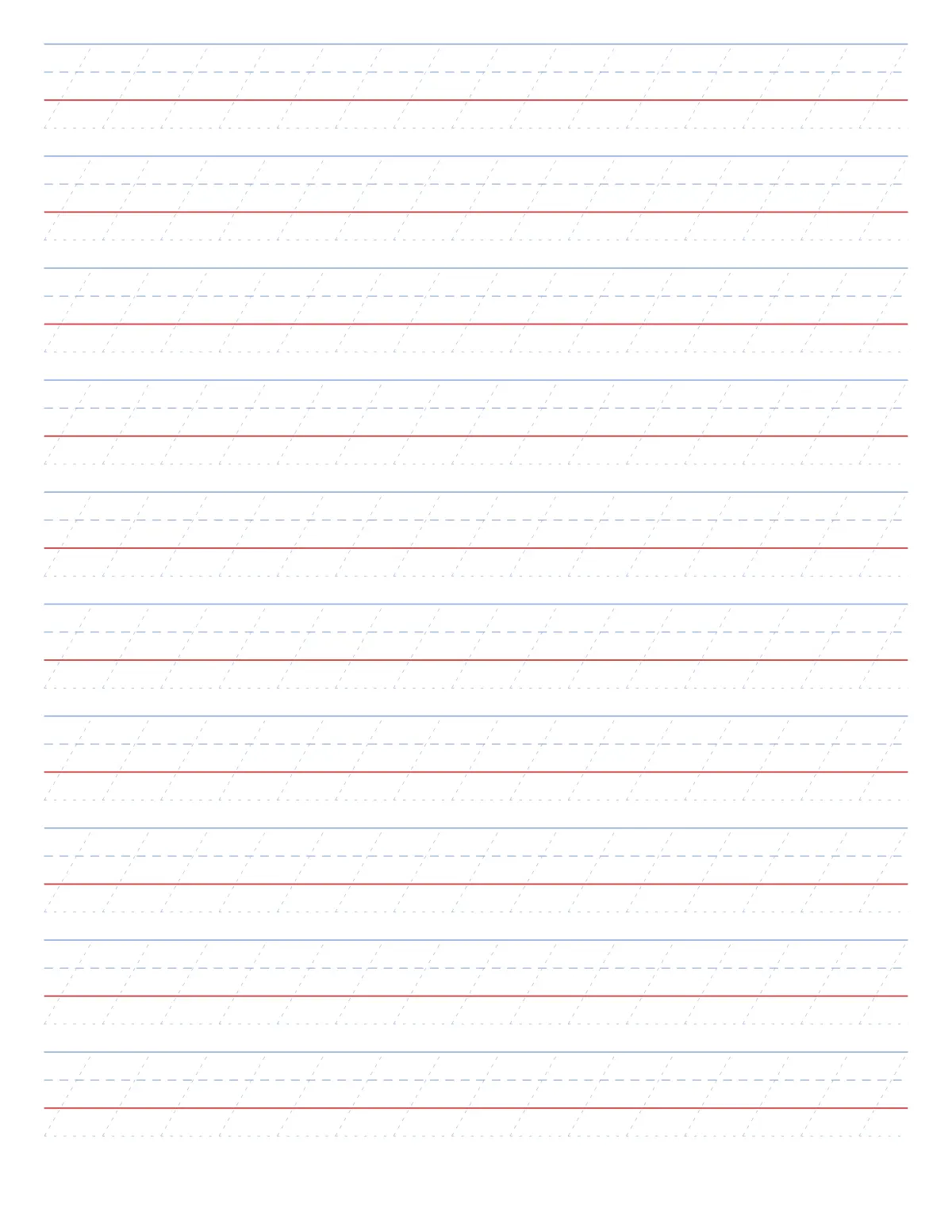
Joined handwriting looks neat only when two things stay constant: the height of each letter part and the lean of every downstroke. This practice paper gives you both. Each row has a solid headline, a dashed midline for the height of small letters and a solid baseline, and light diagonal guides run across the rows at the slant you choose. Teachers print it for cursive lessons, parents use it for homework support, and adults pick it up again when they want a more fluent signature or letter style.
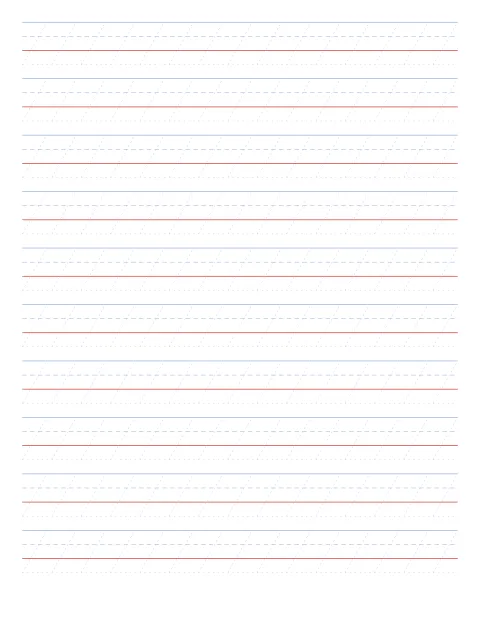
Preview of page 1. 215.9 mm × 279.4 mm. Print at 100% (“Actual size”) to keep the spacing exact.
What people use it for
- Classroom cursive lessons and handwriting homework
- Joined-up writing practice in UK primary schools
- Adults relearning cursive for journals, cards and letters
- Copying out poems, quotes and spelling lists in joined script
- Occupational therapy sessions focused on letter size and spacing
Tips for cursive practice
- Set a generous row height for beginners, for example 15 to 20 mm (about 5/8 to 3/4 in), and reduce it as letters become steady.
- Pick the slant angle you want letters to follow. A value close to 90 degrees gives a nearly upright hand, while a lower value produces a stronger forward lean.
- Keep the slant guides in a lighter color than the headline and baseline so the writing rows stay easy to read.
- Turn on the header for name and date, then write a single letter or connection across a full row before moving on to words.
- Print a batch of pages and date each one so progress is visible over a few weeks of practice.
Printing tip: in the print dialog choose Actual size or 100%, not “Fit to page”, or the spacing shrinks slightly. How we keep sizes exact.
Questions
Is cursive still taught in schools?
It varies. The US Common Core standards proposed in 2009 do not include cursive instruction, which led many states to debate adding it back, and California passed cursive legislation in 2023. In the UK it is usually called joined-up writing, and schools choose their own style.
What is the dashed middle line for?
The dashed line marks the top of small letters such as a, c, e and o. Tall letters reach the headline, so the three lines together keep proportions steady across a page.
What slant should a child use?
There is no single required angle. Choose a moderate lean that the writer finds comfortable and keep it consistent; the printed guides are there to help every letter tilt the same way.
Which cursive styles can I practice on this paper?
Any of them. Palmer, Zaner-Bloser and D'Nealian scripts all fit the three-line rows, and the slant setting lets you match the lean shown in your copybook.